

Andrew K. Wong, MD
Neurosurgery, Neurosurgical Spine Surgery, Skull Base Surgery, Neurosurgical Oncology
Neurosurgery..., Neurosurgical Spine Surgery, Skull Base Surgery, Neurosurgical Oncology
View More MyBSWHealth

Locations of Andrew K. Wong, MD

Baylor Scott & White Neurosurgery and Spine Associates - McKinney
5236 W University Dr Ste 2000, McKinney, TX, 75071- Monday:8:00 am-4:30 pm
- Tuesday:8:00 am-4:30 pm
- Wednesday:8:00 am-4:30 pm
- Thursday:8:00 am-4:30 pm
- Friday:8:00 am-4:30 pm

Baylor Scott & White Neurosurgery and Spine Associates - Frisco
3800 Gaylord Pkwy Ste 820, Frisco, TX, 75034- Monday:8:00 am-4:30 pm
- Tuesday:8:00 am-4:30 pm
- Wednesday:8:00 am-4:30 pm
- Thursday:8:00 am-4:30 pm
- Friday:8:00 am-4:30 pm

Baylor Scott & White Neurosurgery and Spine Associates - Plano
4708 Alliance Blvd Pavilion I, Ste 785, Plano, TX, 75093- Monday:8:00 am-4:30 pm
- Tuesday:8:00 am-4:30 pm
- Wednesday:8:00 am-4:30 pm
- Thursday:8:00 am-4:30 pm
- Friday:8:00 am-4:30 pm
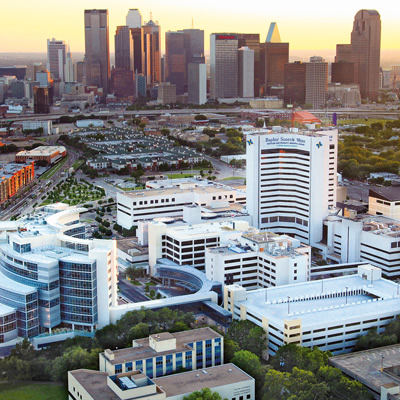
Baylor University Medical Center, part of Baylor Scott & White Health
3500 Gaston Ave , Dallas, TX, 75246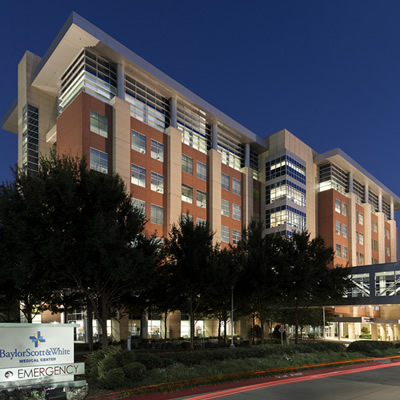
Baylor Scott & White Medical Center - Plano
4700 Alliance Blvd , Plano, TX, 75093
Baylor Scott & White Medical Center - McKinney
5252 W University Dr Highway 380 at Lake Forest Drive, McKinney, TX, 75071Office Hours
Biography
|
Andrew K. Wong, MD, is a neurosurgeon specializing in the diagnosis and treatment of brain disorders, spine conditions and complex neurological diseases. He sees patients in McKinney, Texas, and provides ... advanced neurosurgical care with a focus on minimally invasive spine surgery, keyhole brain surgery and endoscopic endonasal skull base surgery. Dr. Wong has expertise in treating a wide range of brain and spine conditions, utilizing innovative surgical techniques designed to reduce pain, minimize recovery time and help patients return to their daily activities as quickly and safely as possible. His clinical interests include minimally invasive spine surgery, brain tumor surgery, skull base surgery and endoscopic neurosurgical procedures, allowing him to offer personalized treatment options tailored to each patient's unique diagnosis and goals. Committed to combining technical excellence with compassionate care, Dr. Wong works closely with patients and their families to ensure they understand their condition, treatment options and recovery plan. His patient-centered approach emphasizes shared decision-making, evidence-based care and the use of advanced surgical technologies to achieve the best possible outcomes. Dr. Wong is passionate about helping patients regain function and improve their quality of life through innovative neurosurgical care. By incorporating minimally invasive and endoscopic techniques whenever appropriate, he strives to reduce hospital stays, support faster recovery and help patients return to the activities they enjoy most. Outside of work, he enjoys spending time with his family, whether hiking, traveling or simply relaxing at home. View More |
| Ages Seen |
|---|
| Adolescents (ages 12-18) |
| Adults |
| Geriatrics |
| Language(s) Spoken |
|---|
| English |
| Education |
|---|
| Education: Jacobs School of Medicine and Biomedical Sciences at the University at Buffalo (2017) |
| Internship: Neurosurgery, Rush University (2018) |
| Residency: Neurosurgery, Rush University Medical Center (2024) |
| Fellowship: Skull Base Surgery, Pacific Neuroscience Institute (2025) |
Insurances accepted
Baylor Scott & White has established agreements with several types of insurance to ensure your health needs are covered.
-
Aetna - (12)Aetna-Choice POS IIAetna-Group Retiree Medicare PPO - Limited to Exxon/MobilAetna-Health Network OnlyAetna-Health Network OptionAetna-HMOAetna-Managed ChoiceAetna-Open Access Elect ChoiceAetna-Open Access Managed ChoiceAetna-Open Access SelectAetna-Open Choice PPOAetna-QPOSAetna-Select
-
Cigna - (6)Cigna-BSW Extended PPOCigna-Choice FundCigna-LocalPlusCigna-LocalPlus In-NetworkCigna-Open Access PlusCigna-Open Access Plus In-Network
-
DFW ConnectedCare - (1)DFW ConnectedCare-American Airlines Employee Benefit Plan
-
EHN - (1)EHN-Employers Health Network
-
HealthSmart - (2)HealthSmart-Accel NetworkHealthSmart-Preferred Network
-
Imagine Health - (1)Imagine Health-Imagine Health Network
-
Nebraska Furniture Mart - (3)Nebraska Furniture Mart-EmeraldNebraska Furniture Mart-OnyxNebraska Furniture Mart-Pearl
-
PHCS Network - (1)PHCS Network-PHCS Primary PPO
-
Superior Health Plan - (17)Superior Health Plan-Ambetter Core EPO - BronzeSuperior Health Plan-Ambetter Core EPO - GoldSuperior Health Plan-Ambetter Core EPO - SilverSuperior Health Plan-Superior STAR+PLUS (MMP)Superior Health Plan-Wellcare Assist (HMO)Superior Health Plan-Wellcare by Allwell Complement Assist (HMO)Superior Health Plan-Wellcare by Allwell Dual Access Harmony (HMO D-SNP)Superior Health Plan-Wellcare by Allwell Dual Liberty Nurture (HMO D-SNP)Superior Health Plan-Wellcare by Allwell Patriot No Premium (HMO)Superior Health Plan-Wellcare Dual Access (HMO D-SNP)Superior Health Plan-Wellcare Dual Access Open (PPO D-SNP)Superior Health Plan-Wellcare Dual Liberty (HMO D-SNP)Superior Health Plan-Wellcare Giveback (HMO)Superior Health Plan-Wellcare No Premium Open (PPO)Superior Health Plan-Wellcare No Premium Rx Plus Open (PPO)Superior Health Plan-Wellcare Specialty No Premium (HMO C-SNP)Superior Health Plan-Wellcare TexanPlus No Premium (HMO)
-
United HealthCare - (23)United HealthCare-All SaversUnited HealthCare-ChoiceUnited HealthCare-Choice PlusUnited HealthCare-CoreUnited HealthCare-Core EssentialUnited HealthCare-EDGEUnited HealthCare-Erickson Advantage Champion (HMO-POS C-SNP)United HealthCare-Erickson Advantage Freedom (HMO-POS)United HealthCare-Erickson Advantage Guardian (HMO-POS I-SNP)United HealthCare-Erickson Advantage Liberty with Drugs (HMO-POS)United HealthCare-Erickson Advantage Liberty without Drugs (HMO-POS)United HealthCare-NavigateUnited HealthCare-Navigate BalancedUnited HealthCare-Navigate PlusUnited HealthCare-Nexus ACO - Open AccessUnited HealthCare-Nexus ACO - Referral RequiredUnited HealthCare-OptionsUnited HealthCare-SelectUnited HealthCare-Select PlusUnited HealthCare-UnitedHealthcare Assisted Living Plan (PPO I-SNP)United HealthCare-UnitedHealthcare Group Medicare Advantage (PPO)United HealthCare-UnitedHealthcare Medicare Advantage Choice (Regional PPO)United HealthCare-UnitedHealthcare Nursing Home Plan (PPO I-SNP)
-
WellMed - (11)WellMed-AARP Medicare Advantage (HMO-POS)WellMed-AARP Medicare Advantage (HMO)WellMed-AARP Medicare Advantage Choice (PPO)WellMed-AARP Medicare Advantage Patriot (HMO-POS)WellMed-AARP Medicare Advantage SecureHorizons Plan 1 (HMO-POS)WellMed-AARP Medicare Advantage SecureHorizons Plan 2 (HMO-POS)WellMed-AARP Medicare Advantage Walgreens (PPO)WellMed-UnitedHealthcare Dual Complete (HMO DSNP)WellMed-UnitedHealthcare Group Medicare Advantage (HMO)WellMed-UnitedHealthcare Medicare Gold (Regional PPO CSNP)WellMed-UnitedHealthcare Medicare Silver (Regional PPO CSNP)
We couldn’t find any results for ""
Get care anytime.
Even bedtime.
Now MyBSWHealth offers virtual care whenever and wherever you need it. Like right now. Or later tonight. Or even on Sunday. To get the care you need now, simply download the app.
Patient Ratings (57)
The patient rating score is an average of all responses to physician-related questions on our nationally recognized Press Ganey Patient Satisfaction Survey .
| averageRating | metric | |
|---|---|---|
| 4.9 | Time Care Provider spent with Patient | |
| 4.8 | Provider included you in decisions | |
| 4.8 | Rate Care Provider | |
| 4.8 | Provider showed concern | |
| 4.7 | Wait Time at Clinic | |
| 4.9 | Friendliness/Courtesy of Care Provider |
Patient Comments (33)
Overview of patient comments
 Summary created using AI
Patient comments are gathered from our Press Ganey Patient Satisfaction Survey and are displayed in their entirety. Patients are de-identified for confidentiality and patient privacy.
Patients appreciate
The overwhelming majority of reviews praise Dr. Andrew Wong for his thoroughness, knowledge, and communication skills. Patients repeatedly highlight how he takes time to explain MRI, X-ray, and other test results in detail, often walking through findings line-by-line and ensuring all questions are answered before ending the appointment. Many reviewers appreciate that he listens carefully, is patient, and does not rush through visits or jump straight to surgical solutions without fully evaluating other options. Several patients also commented on his compassionate and personable demeanor, his responsiveness (including personally returning calls to discuss concerns), and the professionalism of his supporting staff, with a few reviews specifically noting positive surgical outcomes and life-changing care.
Patients also share
Feedback on areas for improvement was minimal. One review described him as "too smug" and "not a good listener," which stands in contrast to the many other reviews praising his listening skills and approachability. Beyond this single critical review, no other recurring concerns or specific complaints were mentioned regarding wait times, staff, or communication.